Phalaenopsis Orchid Care
Phalanopsis orchids, commonly referred to as moth orchids, are among the most beloved and exquisite orchid varieties. With the correct care, they can flourish and produce magnificent blossoms that can endure for months. Follow this care guide to ensure the well-being of your Phalaenopsis orchid.
1. Light Requirements
Ideal Conditions:
- Provide bright, indirect light. They thrive in east-facing windows where they receive morning sun or in shaded south/west-facing windows.
Avoid:
- Direct sunlight in the summer months, as it can burn the leaves.
Signs of Light Issues:
- Dark green leaves indicate insufficient light.
- Yellowing leaves or scorched spots indicate too much light and sun damage.
A Growers Top Tip:
- If you have limited windowsill space, don’t worry. As long as the room is well lit with natural light, your Phalaenopsis orchid will still thrive.
2. Temperature and Humidity
Temperature:
- Daytime: (21-29°C (70-85°F)
- Nighttime: (15-18°C (60-65°F)
- Avoid temperature drops below 13°C (55°F) or drafts.
Humidity:
- Maintain 50-70% humidity.
- If the environment is too dry, use a humidity tray, humidifier, or mist the leaves (avoid flowers) in the morning to increase the humidity.
Growers top tip:
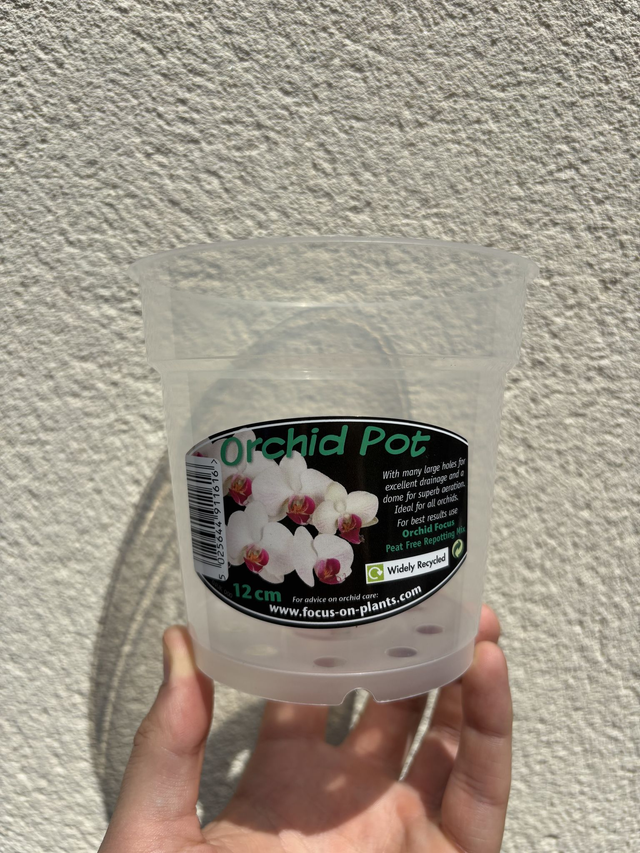
- By using a clear pot that is exposed to the light and heat can creat a small ammount of humidity after watering. Just be mindfull that this can cause the bark to dry out quicker so keep an eye on the dampness of the bark.
3. Watering
Frequency: Water every 7-10 days with warm soft water. In warmer months or dry environments, water more frequently; in cooler months, less often typicly 10-14 days.
Method:
- Water thoroughly, allowing water to flow through the drainage holes.
- Empty excess water from saucers or pots to avoid root rot.
- Use room-temperature, softened water. Rainwater water is preferned for its higher mineral count.
Growers top tips:
- Orchids prefer to dry slightly between watering. Check the potting media in the middle and water when it feels dry about an inch below the surface.
- The most reliable approach to watering is to physically check the plant and the pot. With our changeable weather conditions, bark can dry out quickly or, conversely, retain excess moisture in the bark.
- Over watering is the most common cause of orchid death.
4. Potting & Media
Pot Type:
- Use a pot with drainage holes (clear plastic pots help monitor root health).
- Re-pot every 1-1.5 years or when the media breaks down.
Media:
- Use a well-draining orchid mix, typically made of bark
Growers top tips:
- Re-pot after blooming when new root growth begins. This will reduce the ammount of shock for the orchid.
- Remove all old, soggy media and trim dead roots before re-potting (these will feel squishy, keep all plump roots).
- When repotting, assess the condition of the roots after trimming, as you may not need a larger pot, just fresh bark.
5. Fertilising
Frequency:
Use a good quality orchid fertiliser like ‘Growth Technology Orchid Myst’ - available on our products list.
- During active growth (spring and summer) and rest periods (autumn and winter): 2-3 times a week preferably in the morning or late evning. Misting the leaves with full coverage and any top aerial roots.
6. Flowering & Bloom Care
Bloom Cycle:
- Phalaenopsis orchids typically bloom one to two times a year, with flowers lasting 3-6 months.
- To encourage reblooming, provide the orchid with a decreased nighttime temperature for a few weeks.
Post-Bloom Care:
After flowers fade, assess the flower spike:
- If the spike remains green, you can cut back to a ‘node’ this will encourage the nodes to flower and may produce side shoots.
- If it turns yellow/brown, cut it back to the base.
7. Pruning & Maintenance
Leaf Care:
- Wipe leaves with a damp cloth to remove dust.
Stem Care:
- Remove dead or yellowing stems with sterile scissors.
Root Health:
- Healthy roots are firm and green or silver/white.
- Trim black or mushy roots during re-potting.
8. Common Problems & Solutions
Yellow Leaves:
- Over watering, insufficient light, or natural ageing.
Drooping Leaves:
- Dehydration or root rot.
Spotted/Brown Leaves:
- Sunburn or fungal infections.
No Blooms:
- Insufficient light or lack of temperature fluctuation.
Pests:
- Mealybugs, scale, or spider mites are the typical calpruts: Use a plant-friendly pesticide regularly till the pests have gone. -available on our product page.
9. Seasonal Care Adjustments
Winter:
- Reduce watering but maintain humidity.
- Avoid placing orchids near heaters, drafts or damp windows.
Summer:
- Increase watering if needed.
- Provide adequate air circulation to prevent overheating.
10. Miscellaneous Tips
Air Circulation:
- Orchids prefer good airflow to prevent diseases.
Display Location:
- Avoid placing orchids near ripening fruits (ethylene gas can shorten flower life).
Companion Plants:
- Avoid placing orchids near plants prone to pests or fungal infections.
Phalaenopsis orchids are resilient and forgiving, making them a perfect addition to any home. By providing the proper care, you can enjoy their beautiful blooms year after year.
If you require any additional help message us on:
Instagram at cdsplants_
Facebook at CDS Plants
Email at [email protected].
Happy Growing!!